
Brancheneinblicke
-
")
Sep. 21, 2026
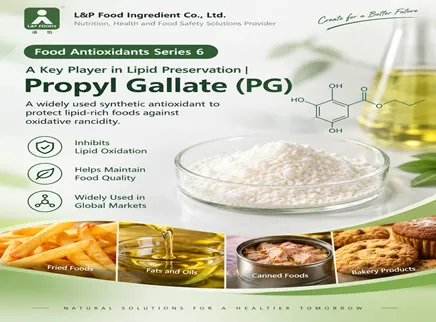
【Food Antioxidants Series 6】 A Key Player in Lipid Preservation | Propyl Gallate (PG)
In modern food manufacturing, Propyl Gallate (PG) is a widely used synthetic antioxidant valued for its distinctive antioxidant properties and practical application benefits. It plays an important role in protecting lipid-rich foods against oxidative rancidity and is commonly used to preserve fried foods, fats and oils, canned foods, and other products. PG is recognized as one of the classic oil-soluble antioxidants used in the food industry.
-

Sep. 18, 2026
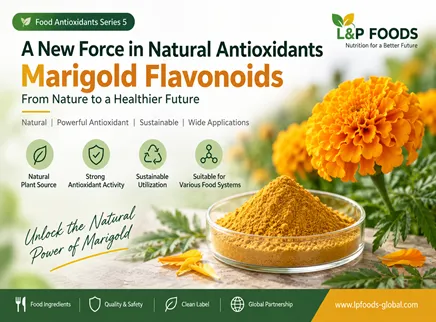
【Food Antioxidants Series 5】 A New Force in Natural Antioxidants | Marigold Flavonoids
In the field of natural food antioxidants, flavonoids have attracted growing attention for their strong antioxidant capacity and natural origin. They are emerging as a new antioxidant option in the food industry that combines functionality with environmental benefits, aligning with consumer demand for food additives that are natural, healthy, and sustainable.
-

Sep. 18, 2026
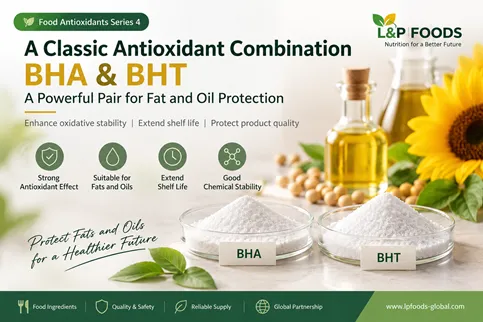
In modern food preservation systems for fat-rich foods, combining synthetic antioxidants is a widely used strategy to enhance oxidative stability and extend shelf life. Butylated Hydroxyanisole (BHA) and Butylated Hydroxytoluene (BHT) are a classic combination. With their complementary properties, they work synergistically to protect fats and oils from oxidation and have long been widely used in the food industry.
-

Sep. 15, 2026
How TBHQ Extends Shelf Life in Oils and Snacks: Mechanism and Usage Tips
TBHQ, or tert-Butylhydroquinone, is a synthetic antioxidant commonly used in food preservation. Its primary role is to prevent oxidative rancidity in oils and snacks, thereby extending their shelf life and maintaining quality.
-
")
Sep. 01, 2026
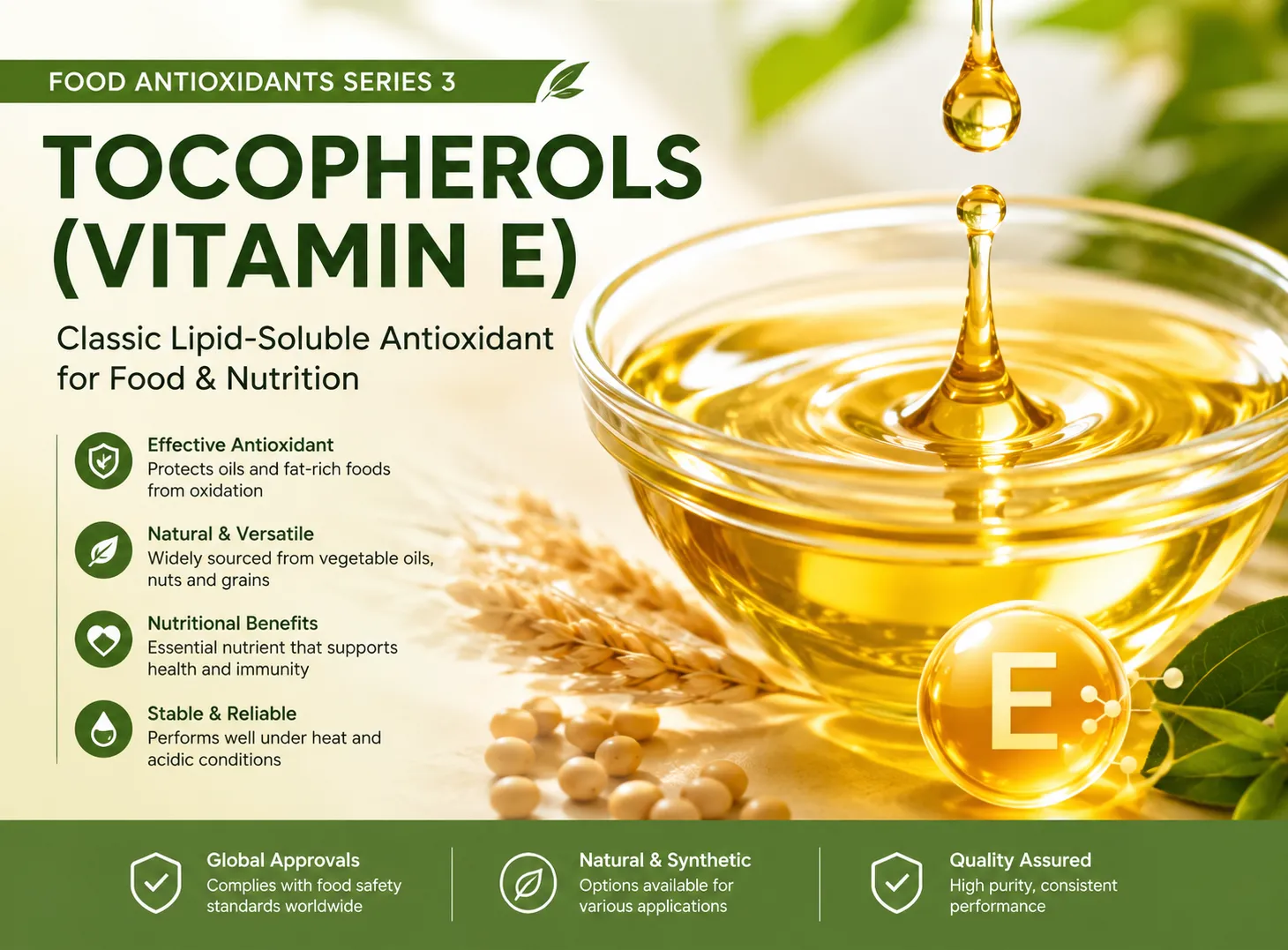
Im Antioxidativsystem der Lebensmittelindustrie sind Tocopherole (Vitamin E) klassische und weit verbreitete lipidlösliche Antioxidantien [1]. Als essentieller Nährstoff für den menschlichen Körper bieten Tocopherole doppelte Vorteile der Lebensmittelkonservierung und eine Nährstoffverbesserung, was sie zu einem wichtigen natürlichen Antioxidans mit praktischem und funktionellen Nutzen macht. Sie sind von der Lebensmittelindustrie sehr geschätzt und weit verbreitet genutzt.
-
")
Sep. 01, 2026
In der modernen Lebensmittelindustrie sind synthetische Antioxidantien aufgrund ihrer Kosteneffizienz, hervorragenden antioxidativen Wirksamkeit und stabilen Schutzwirkungen zu einer Schlüssellösung zur Konservierung fettreicher Lebensmittel geworden. Unter ihnen ist Tertiäres Butylhydrochinon (TBHQ) eines der am weitesten verbreiteten Antioxidantien und bekannt für seine herausragende Wirksamkeit bei der Haltbarkeit der Haltbarkeit und der Erhaltung der Qualität ölbasierter Lebensmittel.
-

Aug. 12, 2026
Mit der wachsenden Verbrauchernachfrage nach "natürlichen" und "Clean-Label"-Lebensmitteln ersetzen natürliche Antioxidantien allmählich einige synthetische Antioxidantien und werden zunehmend zur Wahl in der Lebensmittelindustrie.